
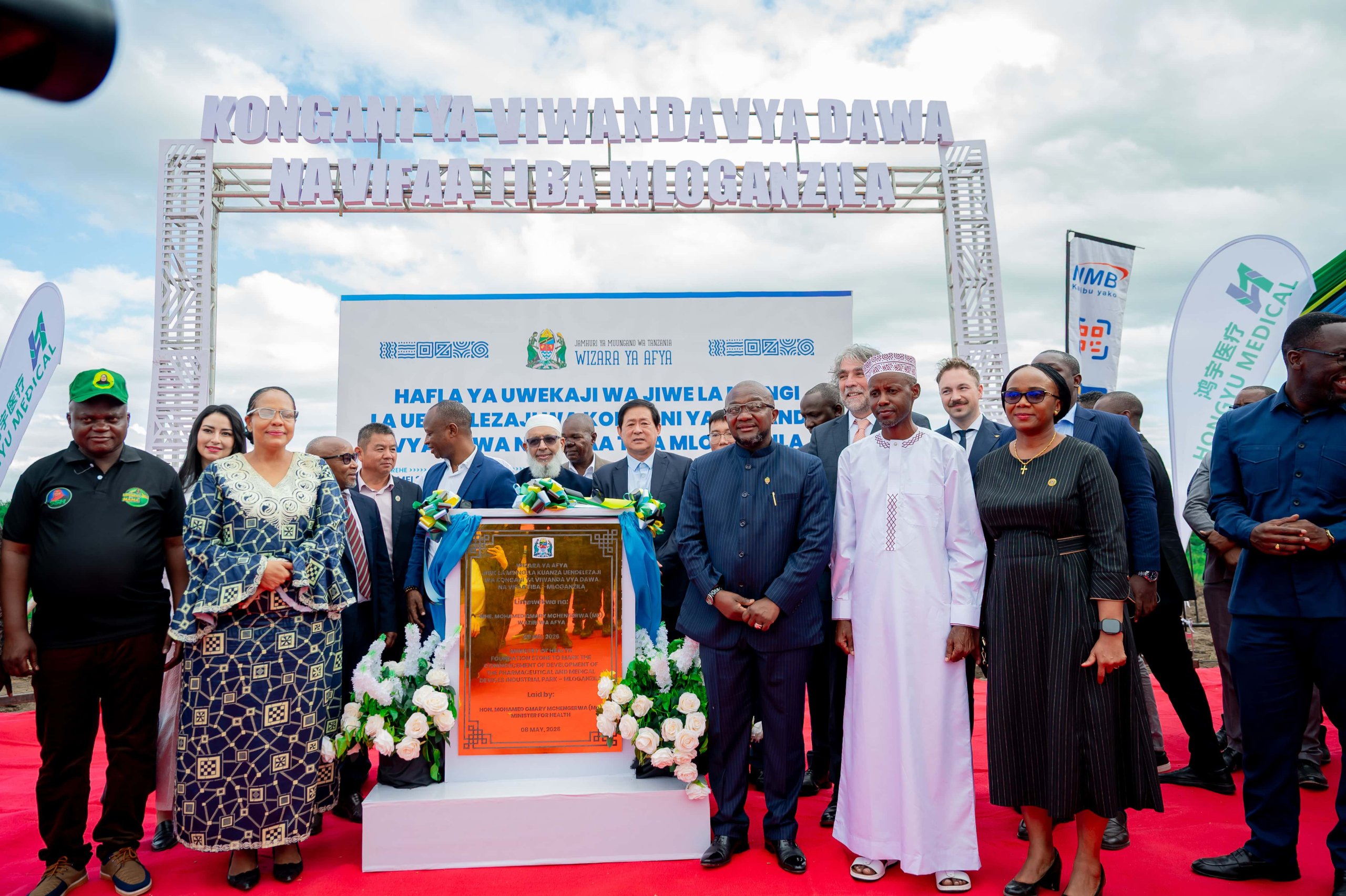
Health Minister Mohamed Mchengerwa has officially laid the foundation stone for the Mloganzila Pharmaceutical and Medical Devices Industrial Cluster, marking a critical milestone in Tanzania’s strategy to centralize domestic medical manufacturing. The project forms part of a broader national initiative to establish specialized industrial zones capable of scaling up the internal production of essential medicines and medical supplies.
Strategic Infrastructure Development and Site Preparation
To facilitate the swift deployment of advanced medical infrastructure, a team of engineering experts from China recently finalized an intensive structural and topographical assessment of the Mloganzila site. This phase of the engineering project included the execution of controlled blasting and explosive operations (“baruti”) to breach dense rock formations and clear the rugged terrain.
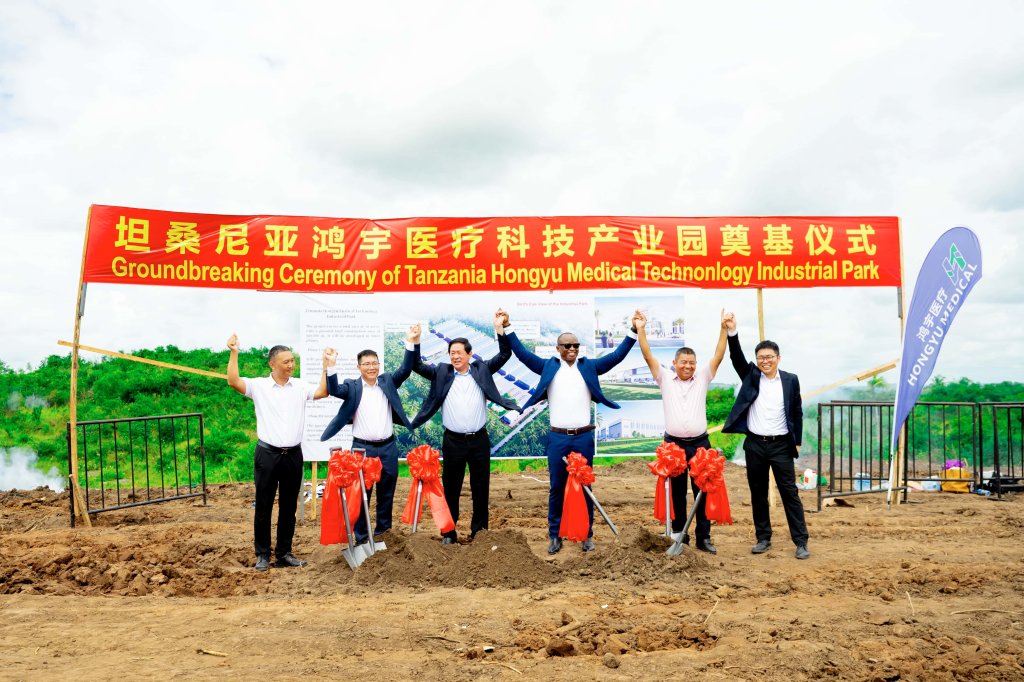
The site preparation paves the way for the foundation works of a major new branch of the Jakaya Kikwete Cardiac Institute (JKCI), which will operate adjacent to the industrial cluster.
Key Project Details and Deliverables
The dual development of the pharmaceutical cluster and the specialized cardiac hospital reflects specific state priorities:
- Industrial Capacity: The 400-acre Mloganzila park provides dedicated land for local and international manufacturers to establish factories, supported by direct utilities onboarding and proximity to national research centers.
- Bilateral Technical Cooperation: The partnership between Tanzanian authorities and the Chinese project inspection committee ensures that early-stage site engineering and future structural works comply fully with international safety and durability standards.
- Specialized Care Expansion: The new JKCI Mloganzila facility will dramatically scale national capacity for specialized and super-specialized cardiovascular diagnostics and surgeries.
This synchronized development at Mloganzila integrates specialized clinical services with large-scale medical manufacturing, positioning the hub to effectively serve both domestic patient needs and the broader Sub-Saharan healthcare market.